

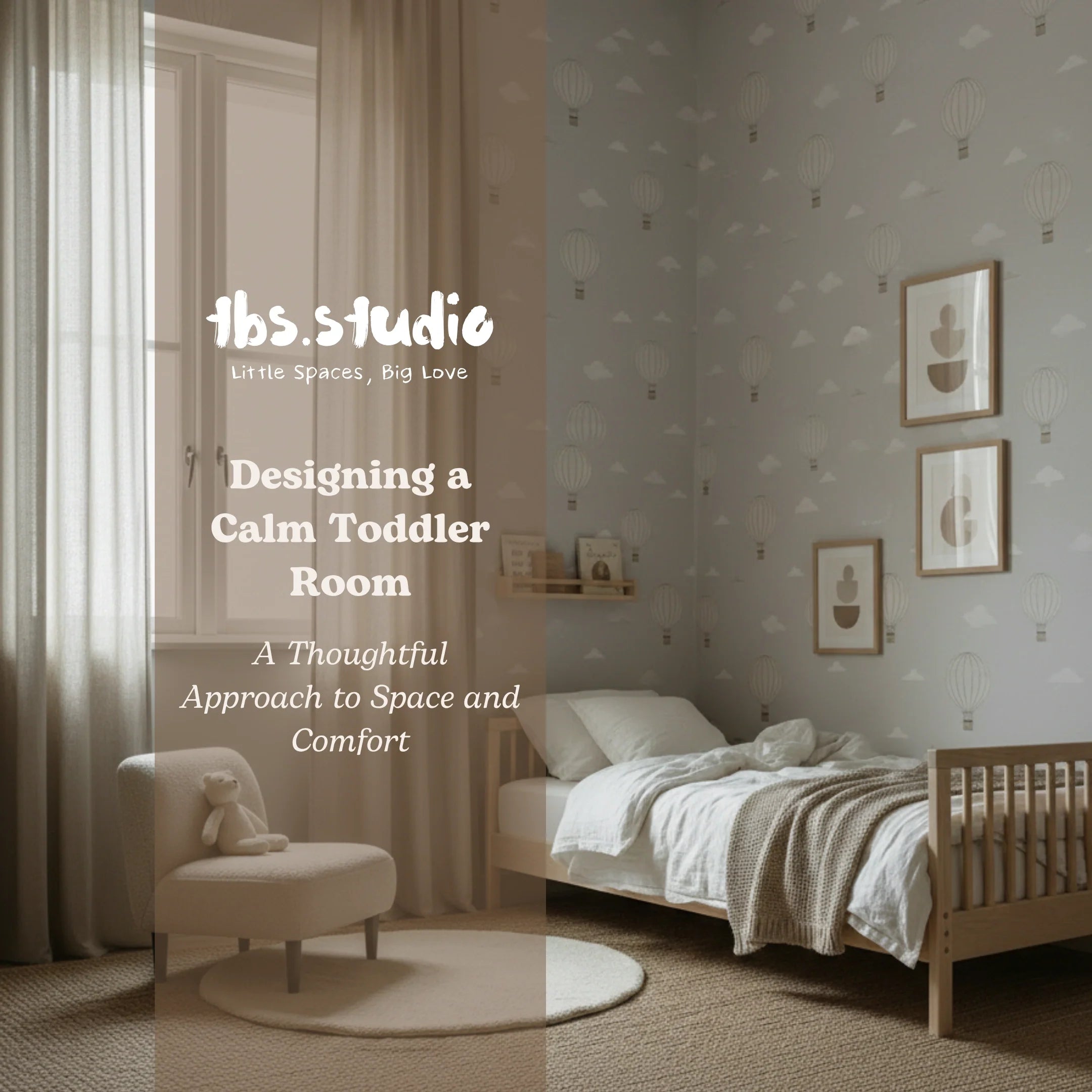
Designing a Calm Toddler Room: A Thoughtful Approach to Space and Comfort

Why Calm Matters for Toddlers
Toddlers live in a world that is endlessly vibrant, curious, and, at times, overwhelming. Every sound, texture, and color becomes a discovery to navigate. Their days are full of exploration, bursts of laughter, and moments of frustration. Amid all this energy, a calm environment is not merely an aesthetic choice — it is a quiet companion that nurtures emotional wellbeing.
Imagine a morning where toys are strewn across the floor, colors compete for attention, and every corner is busy. Even the most playful child may feel subtly fatigued, their senses pulled in multiple directions. Now, picture the same child in a softly lit room with thoughtful furnishings, open floor space, and subtle areas dedicated to different activities. The air feels lighter, the mind can pause, and curiosity unfolds gently rather than frantically. Calm is not the absence of fun or stimulation; it is the presence of intention — spaces that allow toddlers to engage fully without overwhelm, and parents to feel a quiet sense of ease.
The Subtle Impact of Visual Overstimulation
It is tempting to think that more toys, brighter colors, and playful patterns create a joyful environment. Yet, for toddlers, the opposite can be true. Too many stimuli — a wall crowded with stickers, shelves overflowing with toys, rugs with loud patterns — can subtly overwhelm their senses. It may affect how they focus, how they rest, and even how they regulate emotions.

Visual overstimulation does not always lead to tantrums or obvious distress. Sometimes it manifests in quieter ways: a child struggles to settle for a nap, moves restlessly from corner to corner, or seems endlessly distracted. A calm room, in contrast, offers visual breathing room. Neutral walls, soft textures, and a restrained palette allow the eye to rest. Open areas become small invitations to play, explore, or simply pause. Here, simplicity is not boring — it is deliberate.
Texture, light, and shadow contribute just as much as color. A soft wool rug under tiny feet, the gentle grain of natural wood, and sunlight streaming through a sheer curtain all speak to a toddler’s senses. A room that balances these elements fosters emotional comfort, inviting both parent and child to slow down together.
Fewer, Thoughtfully Designed Pieces That Prioritize Safety
When it comes to furniture, less truly can be more. Each piece in a toddler’s room is an opportunity to combine beauty, safety, and comfort. A low bed with rounded edges, a soft upholstered chair, or a small open shelf can offer both functionality and reassurance. Quality craftsmanship communicates care: smooth finishes, durable materials, and tactile fabrics that invite touch.

Thoughtful design also shapes the emotional rhythm of a space. When furniture is intentional rather than abundant, toddlers begin to understand boundaries, routines, and the gentle logic of their environment. A single cozy reading nook or a low table for creative play becomes familiar and reassuring. These items are not merely functional; they become companions in a child’s daily life. A well-chosen piece ages gracefully, adapting as the child grows, and maintains a sense of continuity and stability.
An ideal toddler room can also be thought of as a series of subtle, purposeful zones: a sleep or wind-down area for rest, a cozy corner for reading and quiet play, a soft open space for active or creative play, a dressing area for independence, and a small study zone for emerging focus. These zones are flexible and gently defined, allowing children to move naturally between rest, play, and learning, all within a calm, safe, and visually balanced environment.
Safety is always implicit in this choice. Rounded corners, sturdy construction, and non-toxic finishes are foundational, but their presence can be subtle, integrated seamlessly into an overall sense of calm. The room feels protected without feeling clinical or constraining.
Light, Layout, and the Power of Negative Space

Light and layout are as essential as furniture in creating calm. Natural light can shift a room’s mood throughout the day: soft morning sunlight can encourage curiosity, while afternoon shadows offer quiet spaces to rest. Gentle artificial lighting complements this, providing warmth without glare.
Equally important is spatial design. Open pathways allow toddlers to move freely, yet structured corners create a sense of enclosure and security. Negative space is not emptiness; it is pause, an opportunity for the mind to rest and imagination to expand. A small corner rug, a cozy teepee, or a low bench by a window becomes a subtle retreat — a place to read, daydream, or simply observe.
Every layout decision communicates intention. Furniture positioned with breathing room invites movement and play without chaos. Well-considered placement of sleep, reading, activity, dressing, and study areas demonstrates that a room can accommodate both energy and stillness. Through light, layout, and negative space, a toddler’s environment becomes a living, responsive partner in their emotional and physical growth.
Rooms That Grow With Your Child

A calm, thoughtfully curated toddler room is designed to evolve. Neutral tones, natural materials, and versatile furniture allow a space to transition seamlessly as interests and abilities change. A low bed may become a small child’s daybed; an open shelf may host books today and art supplies tomorrow.
This foresight benefits parents as well. Thoughtful design reduces the need for constant reorganization, creating a sense of stability in a child’s daily life. A room that grows gracefully encourages children to develop autonomy within a safe, structured environment. It allows them to explore and experiment while maintaining the gentle rhythm established in their earliest years.
The quiet sophistication of such spaces also nurtures emotional intelligence. Children learn to appreciate boundaries, understand cause and effect in their environment, and develop subtle observational skills. These early experiences with calm, intentional spaces leave lasting impressions, shaping how they perceive and interact with the world.
Embracing a Thoughtful, Calm Approach
Creating a calm toddler room is not about minimalism for its own sake or about limiting play. It is about understanding how toddlers experience the world and offering a space that respects that experience. A room designed with care — balancing light, space, texture, and thoughtfully chosen furnishings — becomes more than just a place to sleep or play. It becomes a sanctuary that nurtures curiosity, focus, and emotional balance.

These spaces reflect a quiet philosophy: children flourish in environments where intention guides design, where safety is seamless, where visual simplicity fosters emotional comfort, and where subtle zones support the rhythms of daily life — from rest and reading to play, dressing, and emerging study. In a world that is often loud and hurried, a calm, thoughtfully curated room offers a rare gift: a space for toddlers and parents alike to pause, breathe, and grow together.


